Comprehensive Eye Exams
Your Foundation for Lifelong Vision Health
At Ducklo Eye Group, comprehensive eye exams are more than just vision checks, they’re a complete assessment of your eye health and overall visual function. Regular exams help protect your sight, update your prescription, and detect eye conditions early, often before symptoms appear.
What Is a Comprehensive Eye Exam?
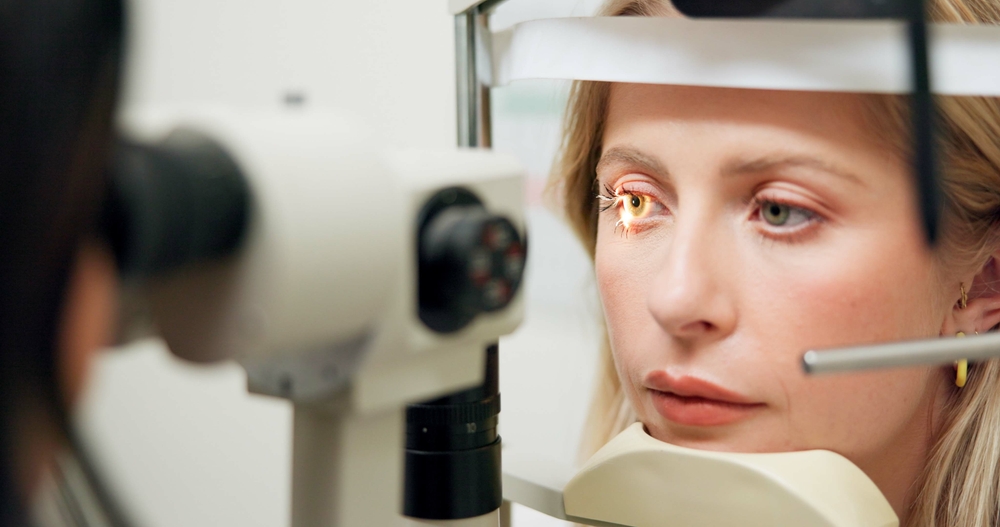
A comprehensive eye exam goes far beyond a basic vision screening. While a screening might tell you if you need glasses, a comprehensive exam performed by one of our optometrists evaluates your eye health in depth. Our doctors assess how well your eyes see, how they work together, and whether there are any signs of eye disease or systemic health issues that might first show up in the eyes.
Why It Matters
Your eyes can reveal a lot about your health. Many eye diseases, like glaucoma, macular degeneration, and diabetic retinopathy, don’t show obvious symptoms at first but can be detected through a comprehensive exam. Early diagnosis gives you the best chance to preserve vision and treat conditions effectively.
What to Expect During Your Exam
During your visit at Ducklo Eye Group, your eye doctor will customize your comprehensive eye exam based on your visual needs. While each exam is unique, you can expect:
Vision and prescription evaluation: ensuring your eyeglass or contact lens prescription is up to date.
Detailed assessment of eye health: checking for signs of disease or abnormalities that could affect your vision now or in the future.
Discussion of medical history and symptoms: allowing us to tailor your care to your health profile and lifestyle.
Our goal is to give you clarity, not just in your vision but in your understanding of your eye health.
Who Should Get One?
We recommend comprehensive eye exams for patients of all ages, from children experiencing vision challenges to adults and seniors monitoring overall eye health. Regular exams are a cornerstone of preventive care and help maintain clear, comfortable vision throughout life.
Schedule Your Eye Health Evaluation Today
Don’t wait until symptoms arise, staying proactive with eye care helps protect your vision for years to come. Book a comprehensive eye exam at Ducklo Eye Group and take an important step toward healthier, sharper vision.
Frequently Asked Questions
What is a comprehensive eye exam?
A comprehensive eye exam is a complete evaluation of your vision and eye health performed by an eye doctor. It checks how well you see, how your eyes work together, and examines the internal and external structures of the eyes to detect vision problems and eye diseases, often before symptoms appear.
How is a comprehensive eye exam different from a vision screening?
A vision screening only determines whether you may need glasses or contacts. A comprehensive eye exam is far more detailed and includes medical testing to evaluate eye health, screen for eye diseases, and identify signs of systemic conditions such as diabetes or high blood pressure.
How often should I have a comprehensive eye exam?
Most adults should have a comprehensive eye exam every one to two years, depending on age, health, and risk factors. Children, seniors, and patients with conditions like diabetes or glaucoma may need exams more frequently. Your eye doctor will recommend a schedule tailored to you.
What conditions can be detected during a comprehensive eye exam?
A comprehensive eye exam can help detect:
Glaucoma
Cataracts
Macular degeneration
Diabetic eye disease
Dry eye disease
Retinal conditions
Changes related to high blood pressure or diabetes
Early detection is key to protecting long-term vision.
Will my eyes be dilated during the exam?
Eye dilation is often recommended to allow your doctor to examine the retina and optic nerve more thoroughly. While dilation may cause temporary light sensitivity and blurred near vision, it provides critical insight into your eye health.
How long does a comprehensive eye exam take?
Most comprehensive eye exams take about 45–60 minutes, depending on testing needs and whether dilation is performed.
Do comprehensive eye exams check for more than vision problems?
Yes. The eyes can reveal early signs of systemic health issues, including diabetes, high blood pressure, autoimmune diseases, and neurological conditions. Eye exams are an important part of overall health care.
Do I need a comprehensive eye exam if my vision seems fine?
Yes. Many eye diseases develop without noticeable symptoms in the early stages. Regular comprehensive eye exams help catch issues early, before they affect your vision.
Are comprehensive eye exams covered by insurance?
Coverage varies by insurance plan. Vision insurance often covers routine eye exams, while medical insurance may apply if the exam addresses medical eye conditions. Our team is happy to help verify your benefits before your visit.
Are comprehensive eye exams safe for children?
Absolutely. Comprehensive eye exams are safe, comfortable, and highly recommended for children. Early detection of vision issues can support learning, development, and long-term eye health.
How do I prepare for my comprehensive eye exam?
Bring your current glasses or contact lenses, a list of medications, and any vision or eye health concerns you’ve noticed. If your eyes will be dilated, consider bringing sunglasses and arranging transportation if needed.
Quick Links
Helpful Articles
article_category: products
article_category: psychiatry
article_category: faqs
article_category: cats
article_category: general
article_category: services
article_category: technology
article_category: dogs
article_category: restorative
article_category: vision therapy
article_category: contact lenses
article_category: health
article_category: conditions
article_category: eye surgery co-management
article_category: exotic
article_category: cosmetic
article_category: surgical procedures
article_category: aesthetics
article_category: preventative
article_category: ocular disease management
article_category: eyeglasses
article_category: eye health
article_category: large animal
[]
article_category: psychiatry
article_category: faqs
article_category: cats
article_category: general
article_category: services
article_category: technology
article_category: dogs
article_category: restorative
article_category: vision therapy
article_category: contact lenses
article_category: health
article_category: conditions
article_category: eye surgery co-management
article_category: exotic
article_category: cosmetic
article_category: surgical procedures
article_category: aesthetics
article_category: preventative
article_category: ocular disease management
article_category: eyeglasses
article_category: eye health
article_category: large animal
[]
Flowbite is an open-source library of interactive components built on top of Tailwind CSS including buttons, dropdowns, modals, navbars, and more.
Check out this guide to learn how to get started and start developing websites even faster with components on top of Tailwind CSS.
All Eye Care Services
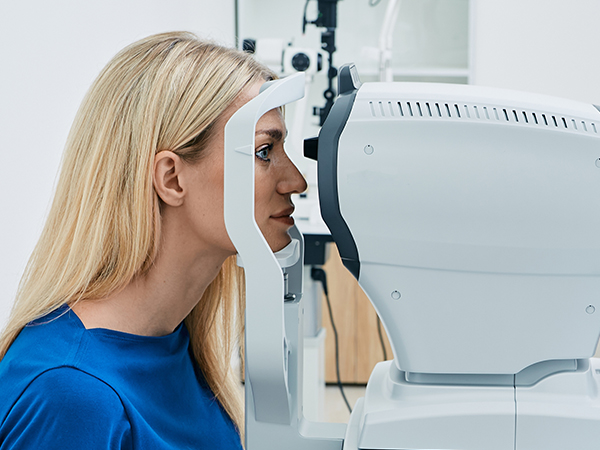
Find personalized eye care excellence with our comprehensive services. From eye exams to advanced diagnostics, trust us for all your vision needs.

Keep In Touch
For non-urgent questions or to learn more about our services, contact us today!
© 2026 Ducklo Eye Group. All rights Reserved - Accessibility Statement - Privacy Policy - Sitemap
Managed and Designed by 